Disclosure / Affiliate Notice:
As an Amazon Associate I earn from qualifying purchases.
Some links in this article may be affiliate links that earn me a commission at no extra cost to you.
In many apartments the kitchen works harder than its size suggests. Morning coffee, quick lunches, and late-evening dishes all happen within a few square meters. The moment groceries arrive, however, preparation space disappears under packages and containers.
The difficulty rarely comes from cooking itself. It comes from where things temporarily live between use and storage.
The Counter Is Not Storage

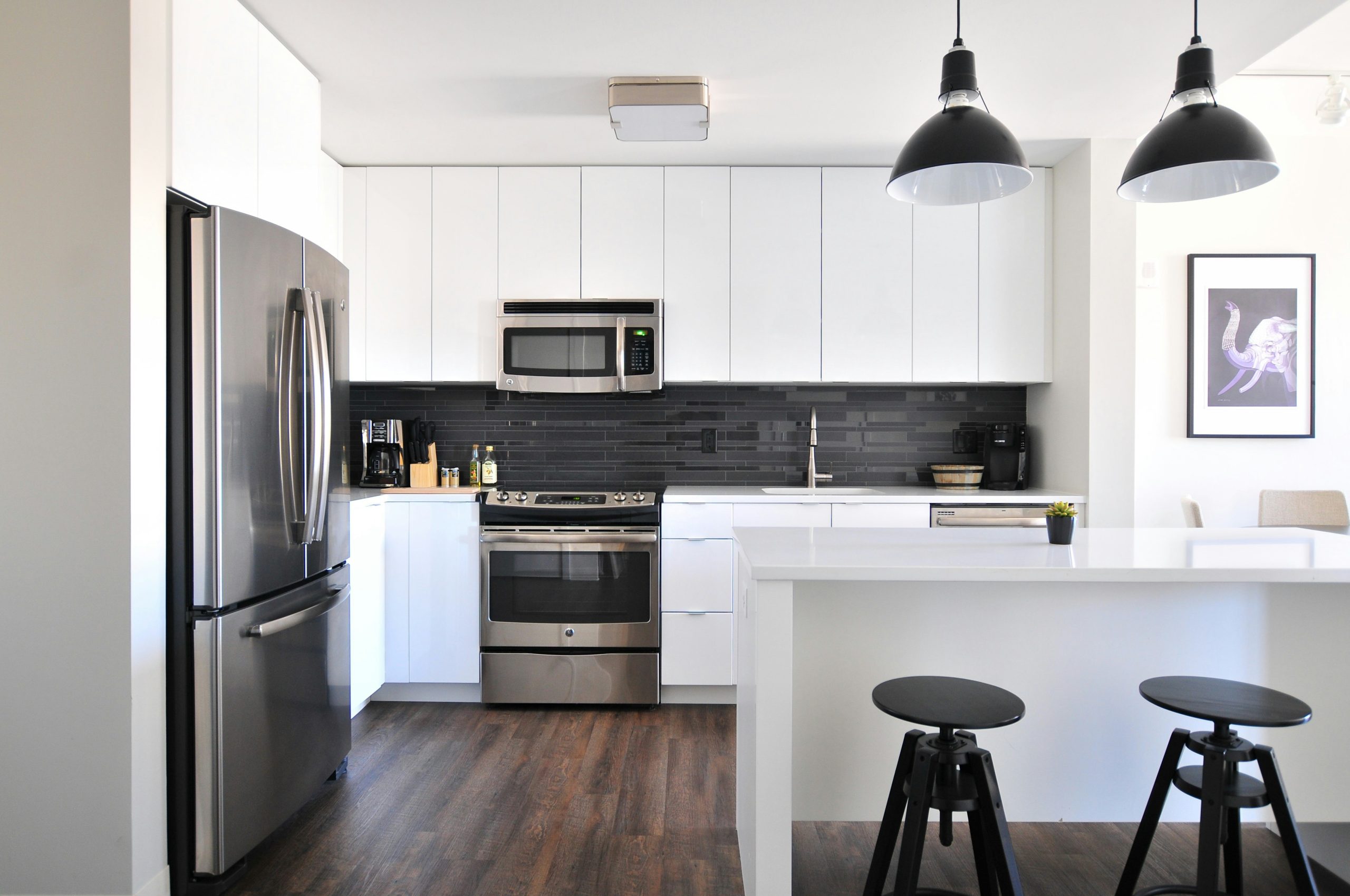
When a surface stays full, it becomes unusable. People often keep frequently used items permanently outside — oils, spices, utensils — assuming convenience improves efficiency. In practice, a crowded counter slows preparation because every task begins by moving objects aside.
A clearer rule works better:
only the item currently in use belongs on the counter.
Everything else needs a nearby but separate resting place.
Create a “Waiting Zone”
Many kitchens lack transitional space. Groceries arrive, and there is nowhere neutral to sort them. As a result, they spread across cooking areas.
A small basket or tray dedicated to incoming items prevents this. It becomes a short-term holding area where food waits before being stored. Once the basket fills, it signals that a quick organizing step is needed.
Without that zone, counters absorb the overflow.
Buy in Rhythm, Not in Bulk
Large purchases often create temporary clutter rather than long-term efficiency. The issue is not quantity but timing. Supplies bought unpredictably collide with existing stock.
The useful part of this habit is noticing how often items need replacement. Once that rhythm becomes clear, storage stops overflowing because new items arrive as old ones leave.
Use Height Before Depth
Small kitchens rarely lack wall space — they lack shallow storage. Deep cabinets encourage stacking, which hides items and leads to duplicates.
Vertical separators or narrow shelves keep things visible. When every object can be seen at once, unnecessary extras stop accumulating naturally.
The goal is not more storage but visible storage.

Reset the Space Daily
A quick evening reset prevents gradual buildup. Returning tools to their place and clearing drying dishes restores preparation space for the next day. Without that routine, clutter compounds until cleaning requires effort instead of seconds.
Consistency matters more than intensity.
A Kitchen That Stays Usable
A compact kitchen works best when objects keep moving instead of settling permanently on surfaces. Counters remain clear, storage stays visible, and groceries enter at a predictable pace. The room doesn’t become larger — it simply stops competing with itself.
As an Amazon Associate I earn from qualifying purchases.