Werbung / Affiliate-Hinweis: Als Amazon-Partner verdiene ich an qualifizierten Verkäufen. Dieser Beitrag enthält Affiliate-Links zu Amazon.co.uk. Für dich entstehen keine zusätzlichen Kosten.
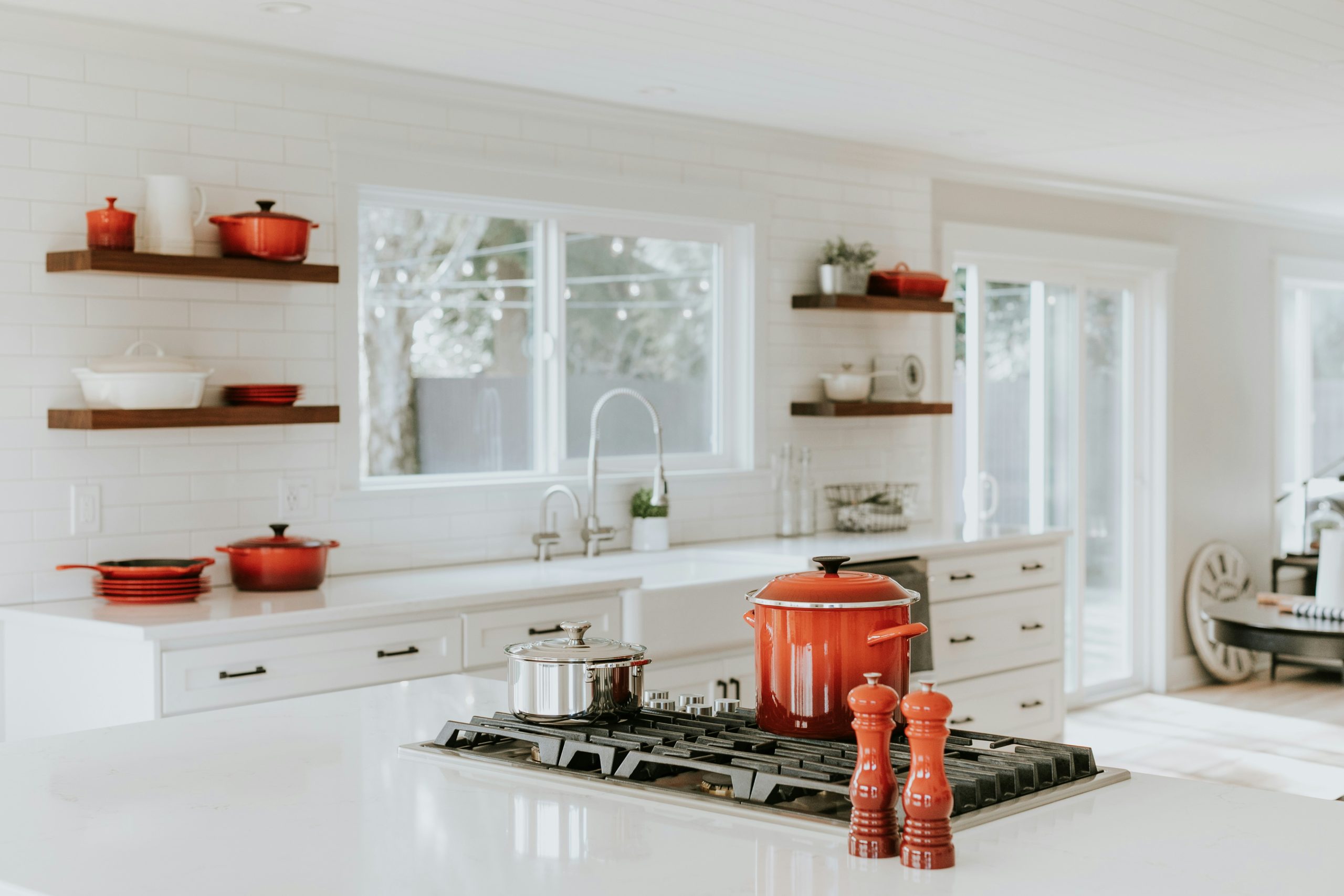
The kitchen is often called the heart of the home, but in reality, it is more like a high-traffic workshop. Between meal prep, coffee runs, and the occasional pile of mail, kitchen surfaces can disappear under clutter in just a few hours.
True kitchen organization isn’t about having perfectly labeled jars; it’s about reducing “friction” so that cooking and cleaning take less effort.
Focus on the “Work Triangle”
The most efficient kitchens prioritize the path between the fridge, the sink, and the cooker. Clutter usually builds up when items are stored away from where they are actually used.

- Point of Use: Store heavy pans near the stove, not across the room.
- Vertical Thinking: If your cupboards are full, look at your walls. Magnetic knife strips or hanging rails for utensils can free up entire drawers.
- Clear Worktops: Only items used every single day (like the kettle or toaster) should live on the counter. Everything else should have a home behind a door.
Smart Storage for Modern Homes
UK kitchens are often compact, which makes clever storage solutions essential. In 2026, the trend has moved toward “hidden organization”—using internal drawer dividers and pull-out shelving to maximize every centimeter of deep cabinets.
When refreshing your setup, it helps to browse a wide variety of practical kitchen essentials and storage solutions (paid link): 👉 Explore kitchen options on Amazon.co.uk
Manage the “Consumables”
Kitchen clutter is frequently caused by duplicates. Three half-open bags of flour or five different dish soaps take up more space than a single, organized backup.

- The One-Back-Up Rule: Try to keep only one “in use” item and one “reserve” item.
- Visibility: Use clear containers for dry goods. When you can see exactly how much pasta or rice you have left, you stop buying “just in case” replacements that end up cluttering the pantry.
Conclusion
An organized kitchen is about movement. By placing tools where they are used and limiting backups, you create a space that is easy to maintain. The goal is a kitchen that stays tidy not because you spend hours cleaning it, but because the system itself prevents mess from starting.
As an Amazon Associate I earn from qualifying purchases.