Disclosure / Affiliate Notice:
As an Amazon Associate I earn from qualifying purchases.
Some links in this article may be affiliate links that earn me a commission at no extra cost to you.
A closet can look perfectly organized on Sunday afternoon and feel completely unmanageable by Wednesday morning.
A jacket gets pushed to the side to reach a sweater. Shoes pile up near the door because putting them back feels like extra work. A handbag sits on the top shelf “just for now” and slowly becomes permanent. None of these actions feel significant at the time, but the space quietly loses its structure.
Closet organizers exist because the physical layout of most closets doesn’t match how people actually use them.
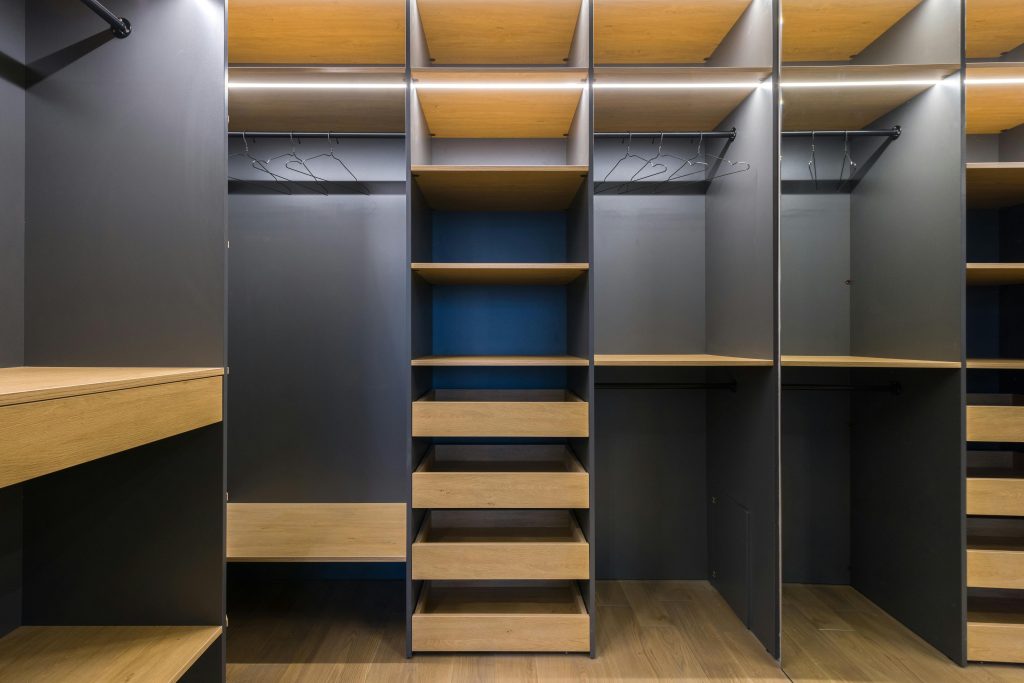
The difference becomes obvious once you start paying attention to what happens inside the space every day.
The Real Problem: Flat Shelves and One Hanging Rod
Most closets are built with a single idea: hang clothes and stack the rest.
That sounds logical until you notice how different types of items behave.
T-shirts collapse into messy piles after two or three uses. Jeans become too heavy for neat stacks. Sweaters stretch when they hang. Accessories drift into corners because there’s no defined place for them.
The result is predictable:
- stacks slide forward
- clothing hides behind other clothing
- empty air exists above items that could use the space
Closet organizers work because they divide space vertically and horizontally at the same time.
Instead of one large area, the closet becomes a set of smaller zones where each type of item has physical boundaries.
Without those boundaries, gravity and daily habits slowly undo any attempt at neatness.
When Vertical Space Is Wasted
Look at the typical closet shelf.
There may be 30–40 centimeters of empty air above a folded stack of clothes. That space is technically available but practically useless because adding another pile causes everything to topple.
Dividing that vertical space changes how the shelf behaves.
Common solutions include:
- shelf dividers
- stackable bins
- hanging fabric shelves
These approaches create stable layers instead of unstable piles. A folded stack remains contained because it cannot slide sideways into neighboring clothing.
Someone storing sweaters on a wide shelf often notices the difference immediately after installing something like an adjustable shelf divider
👉 adjustable shelf divider (affiliate link)
. The stack stops spreading outward because the divider forces the clothes to stay inside a narrow column.
The structure does the work instead of constant refolding.
Why Shoes Are Usually the First Thing to Cause Disorder
Shoes behave differently from clothing.
They are heavy, irregularly shaped, and used frequently. When there is no clear location for them, they naturally end up on the closet floor.
Once a few pairs gather there, several things happen:
- the floor becomes visually crowded
- reaching the back pairs becomes difficult
- new shoes get placed wherever there is space
This is why shoe racks or vertical shoe organizers often make the biggest visible difference in a closet.
They solve a movement problem, not just a storage problem. Each pair has a predictable return spot, so the act of putting them away becomes quicker than leaving them on the floor.
When storage reduces effort, habits change automatically.
Drawers vs Open Storage
Open shelves make everything visible, which sounds helpful but can easily turn into visual clutter.
Drawers hide items but introduce friction because you must open and close them.
Closet organizers often sit between these two extremes:
- fabric drawers inside shelf units
- pull-out bins
- clear storage boxes
These options allow grouping without hiding items completely.
For example, socks stored loosely in a drawer tend to mix together. The same socks placed in a small bin inside a shelf stay contained while remaining easy to grab.
The difference seems small until you notice how often tiny items scatter when they lack defined boundaries.
The Habit Loop That Keeps Closets Organized
A closet stays organized when returning an item is easier than dropping it somewhere else.
That simple rule explains why some systems fail even when they look tidy at first.
If a hanger requires moving three other garments, clothes end up on a chair. If shoes require stacking boxes, they end up on the floor.
Effective closet organizers shorten the distance between use and storage.
They create:
- clear entry points for frequently used items
- narrow compartments that prevent spreading
- vertical layers that multiply space without stacking chaos
Once those physical conditions exist, the closet no longer depends on daily discipline.
It quietly maintains its structure because the layout matches real behavior.
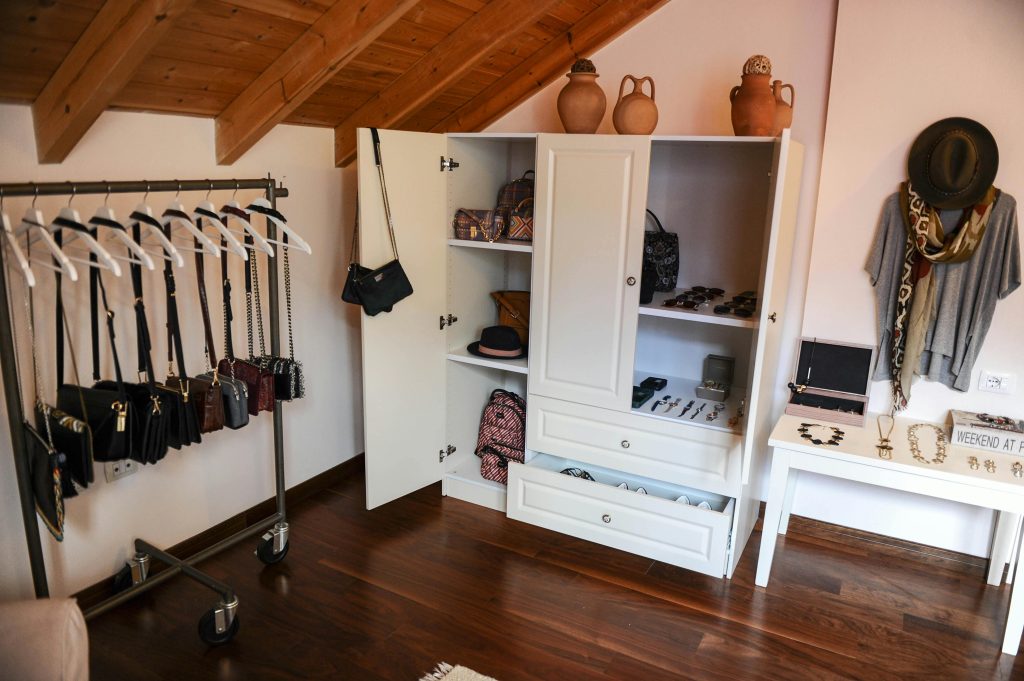
A Closet That Works With You
Most people try to fix closet clutter by folding more carefully or rearranging piles.
The real shift happens when the space itself changes shape.
Dividers stop stacks from collapsing. Vertical shelves turn empty air into usable storage. Dedicated shoe areas remove the daily decision of where footwear should go.
After that, the closet no longer resets itself into chaos every week. It simply holds its structure while life happens around it.
Disclosure / Affiliate Notice:
As an Amazon Associate I earn from qualifying purchases.
Some links in this article may be affiliate links that earn me a commission at no extra cost to you.