Disclosure / Affiliate Notice:
As an Amazon Associate I earn from qualifying purchases.
Some links in this article may be affiliate links that earn me a commission at no extra cost to you.
A closet can look perfectly organized on Sunday afternoon and feel completely unmanageable by Wednesday morning.
A jacket gets pushed to the side to reach a sweater. Shoes pile up near the door because putting them back feels like extra work. A handbag sits on the top shelf “just for now” and slowly becomes permanent. None of these actions feel significant at the time, but the space quietly loses its structure.
Closet organizers exist because the physical layout of most closets doesn’t match how people actually use them.
The Real Problem: Flat Shelves and One Hanging Rod
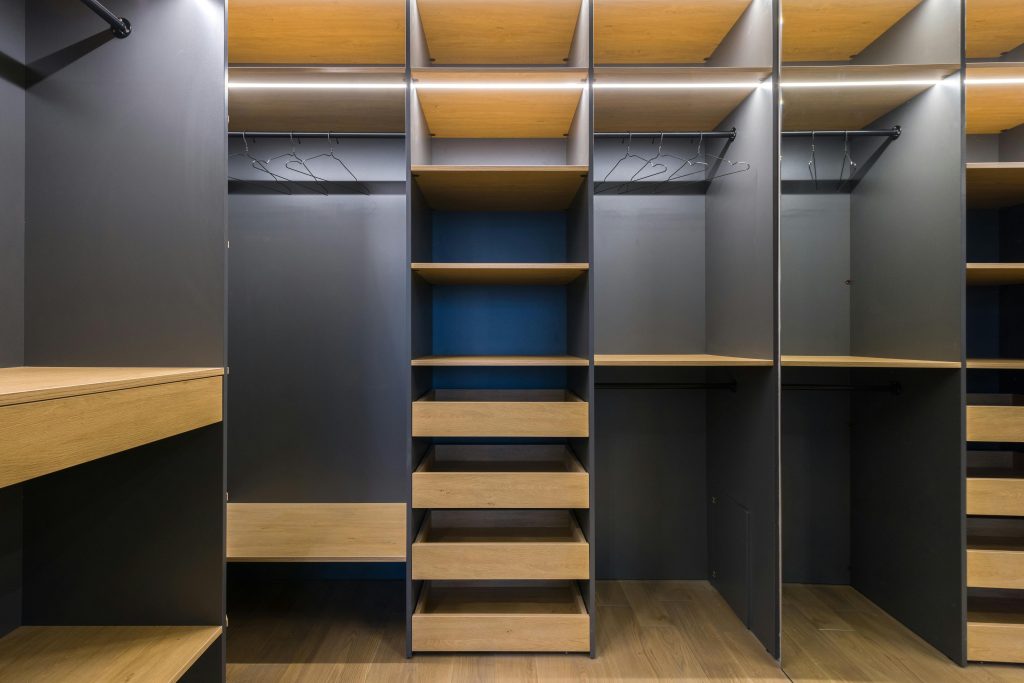
Most closets are built with a single idea: hang clothes and stack the rest.
That sounds logical until you notice how different types of items behave.
T-shirts collapse into messy piles after two or three uses. Jeans become too heavy for neat stacks. Sweaters stretch when they hang. Accessories drift into corners because there’s no defined place for them.
The result is predictable:
- stacks slide forward
- clothing hides behind other clothing
- empty air exists above items that could use the space
Closet organizers solve this by dividing space into smaller zones with clear boundaries.
When Vertical Space Is Wasted
Look at the typical closet shelf.
There may be significant unused space above folded clothes. That space is technically available but difficult to use without structure.
Dividing that vertical space changes how the shelf behaves.
Common solutions include:
- shelf dividers
- stackable bins
- hanging fabric shelves
These create stable layers instead of unstable piles. Clothes remain contained instead of spreading outward.
Why Shoes Create Disorder First
Shoes are heavy, irregular, and used frequently.
Without a defined place, they naturally collect on the closet floor. Over time:
- the space becomes visually cluttered
- accessing pairs becomes harder
- new shoes get placed randomly
Shoe organizers solve this by giving each pair a fixed position, reducing effort and improving consistency.
Drawers vs Open Storage
Open storage makes everything visible but can feel messy.
Drawers hide items but require extra effort.
Hybrid solutions work best:
- fabric drawers
- pull-out bins
- clear storage boxes
These keep items grouped while remaining accessible.
The Habit Loop That Keeps Closets Organized
A closet stays organized when returning an item is easier than leaving it out.
If storage feels complicated, clutter returns.
Good organizers:
- reduce friction
- create clear zones
- make placement intuitive
When the system supports daily habits, organization becomes automatic.
A Closet That Works With You
Most people try to fix clutter by folding better.
The real improvement comes from changing the structure itself.
Dividers prevent collapse. Vertical storage multiplies space. Defined zones remove daily decisions.
Once the layout matches real behavior, the closet maintains itself with minimal effort.
Conclusion
Closet organization is less about discipline and more about design. With the right structure, even small spaces can stay consistently organized without constant effort.
👉 If you want to explore practical closet organizers like shelf dividers, storage bins, or hanging systems, you can view a selection here:
As an Amazon Associate I earn from qualifying purchases.